
IETA MARKET
Monsoon Mud Fever Prevention in Indian Stables: A Practical Protocol
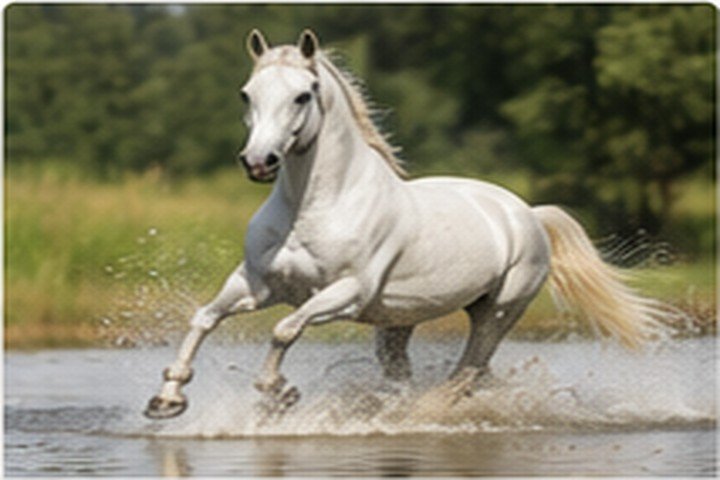
Monsoon humidity, frequent showers, and damp paddocks place horses in danger of mud fever (pastern dermatitis) from the ground up. For small stud farms across India, a low-cost, practical approach to moisture management and stall hygiene can meaningfully reduce cases and keep horses comfortable and sound. This editorial offers a field-tested, step-by-step protocol tailored to budgets, space constraints, and the realities of Indian stability yards.
Why monsoon mud fever becomes a stability challenge in India

In the rainy months, soil remains saturated, stalls stay damp, and organic matter in the bedding and manure breaks down into slime. Mud fever thrives in humid, muddy conditions that keep pastern skin wet and vulnerable. Small farms often lack the drainage and capital for costly renovations, which makes a practical routine all the more essential. The goal here is not perfection, but consistent, low-cost hygiene and moisture control that lowers pathogen exposure and keeps horses comfortable.
Simple, repeatable routines beat sporadic, high-cost interventions. The plan below uses readily available materials and clear tasks that can be distributed among a stable crew with minimal training. For added context, you can explore broader cultural practices from other Indian stud farms by exploring stud farms on our site.
A step-by-step, low-cost protocol for small stud farms
The protocol is organized into six practical steps. Each step emphasizes moisture control, dry bedding, prompt cleaning, and routine monitoring. Adapt the steps to your farm’s layout, water table, and seasonal weather patterns.
Step 1: Baseline moisture and stall assessment
- Carry out a quick moisture audit of all stalls, dry paddocks, and walkways. Note damp corners, pooling water, and ground that holds moisture after rain.
- Identify the lowest spots and any drainage issues. Mark areas that require immediate attention (poor drainage, standing water, or slippery mud).
- Evaluate flooring and bedding needs. Prioritize surfaces that stay dry and easy to clean; plan for an elevated, well-ventilated loafing area if possible.
- Set up a simple weekly log to record stall dryness, damp patches, and any signs of skin irritation on pasterns or heels.
Step 2: Drainage, surfaces, and bedding strategy on a budget
- Improve drainage with inexpensive solutions: shallow gravel trenches along the edges of walkways or under stalls to guide water away from sleeping areas. Ensure slopes direct water toward a chosen outlet or soak-away.
- Use matting or elevated platforms at heavy-use zones (tack, wash bays) to reduce mud transfer to horses’ hooves and pasterns.
- Choose dry, absorbent bedding and avoid continuous wet layers. If straw becomes damp, replace promptly; consider alternative local bedding materials that dry quickly after rain.
- Consider simple floor linings or lime-wash on walls to reduce dampness in stall corners where moisture lingers.
Step 3: Cleaning regime and bedding management
- Institute a daily cleaning routine: remove wet bedding, scrub down soiled areas with a veterinary-approved cleaner, and allow surfaces to dry before re-bedding.
- Change stall bedding frequently in damp weather. A dry, clean bed reduces skin moisture and bacterial buildup that contribute to mud fever.
- Ensure water buckets and troughs stay clean and do not spill into stalls. Elevate water sources where possible to minimize ground dampness around feeding areas.
- When handling pasterns during grooming, use clean towels and washcloths. Avoid rubbing mud into skin; pat and inspect for early signs of irritation.
Step 4: Turnout, paddock hygiene, and moisture control
- Rotate turnout to prevent overgrazed, muddy zones. Dry, sunny patches are ideal for resting hooves; use these as preferred zones whenever weather allows.
- Create dry, well-drained track routes in paddocks; avoid areas that stay soggy for long periods.
- Limit time in mud-heavy paddocks during peak monsoon hours. Shorter, drier sessions reduce skin exposure to wet mud.
- Keep paddock edges clean of manure build-ups; compost or remove waste regularly to limit moisture retention and parasite exposure.
Step 5: Water, feed areas, and hygiene workflows
- Position feed and water zones on dry ground or elevated mats to prevent soil moisture transfer to horses’ pasterns.
- Provide shade and windbreaks to promote faster drying after rains, reducing dampness in stalls and feeding areas.
- Schedule daily grooming and hooves checks around feeding times so moisture-prone areas are inspected routinely.
- Use a simple, vet-approved cleaning solution for hooves and pasterns when mud and mud-fever signs appear; avoid over-dampening skin and ensure thorough drying after washing.
Step 6: Monitoring, records, and veterinary collaboration
- Maintain a concise diary of stall dryness, humidity levels if possible, and any lesions on pasterns or coronet bands. Note treatments and responses in consultation with your veterinarian.
- Train staff to recognize early mud fever signs: moist skin, crusts, swelling, or heat in pastern areas. Early detection improves outcomes with minimal intervention.
- Plan regular check-ins with your vet or a field practitioner, especially when humidity peaks or after heavy rainfall events.
- Keep an eye on bedding quality and replenish dry materials promptly to avoid prolonged damp conditions that encourage skin irritation.
Practical checklists for small stud farms
- Daily: remove wet bedding, clean stalls, inspect pastern areas, rinse mud off hooves if needed.
- Weekly: assess drainage effectiveness, prune damp areas, refresh dry paddocks, and document any dermatitis signs.
- Bi-weekly: test and adjust drainage routes, clean water troughs, and review rotation plans for paddocks.
- Seasonal: prepare a moisture-management calendar aligned with monsoon forecasts, and coordinate with a local, trusted vet for preventive care plans.
12-week seasonal maintenance plan (condensed)
Weeks 1–2: Complete baseline moisture audit, implement immediate drainage improvements where feasible, establish daily cleaning routines twice daily, and begin protective dry bedding regimen.
Weeks 3–6: Stabilize turnout rotations, add elevated dry zones in stalls, and intensify monitoring for early skin irritation signs. Begin simple record-keeping and vet contact plan.
Weeks 7–9: Evaluate weather impact; adjust paddock layouts to maximize dry exposure. Train staff on consistent pastern checks and moisture management.
Weeks 10–12: Review logs, refine cleaning protocols, and solidify a preventive plan for the next monsoon cycle. Consider light seasonal improvements if budgets allow, but prioritize proven low-cost measures.
Make it work on a budget: practical tips that add up
Small changes can accumulate into a big impact. Simple drainage, dry bedding, frequent cleaning, and routine monitoring cost little but reduce mud fever risk significantly. Engage your team with a straightforward schedule, assign tasks, and keep the plan visible in the stable area. The result is not just cleaner stalls; it’s healthier pasterns and fewer lameness concerns that can arise from chronic moisture.
For wider field inspiration, consider browsing more farm setups and stall designs in our community resources, including Explore stud farms and Browse horses.
FAQ
- What exactly is mud fever and why does it rise in monsoon?
- Mud fever (pastern dermatitis) is a skin condition triggered by moisture, warmth, and irritants in mud and damp bedding. Monsoon conditions create persistent dampness that promotes bacterial and fungal growth, increasing risk for horses with sensitive pastern skin.
- What are the first practical steps I can take on my farm this monsoon?
- Prioritize drainage and dry zones, switch to dry bedding, increase stall cleaning frequency, and prevent water from pooling near feeding and resting areas. Regular pastern inspections help catch early signs before they spread.
- Can these measures replace veterinary care if a horse shows symptoms?
- No. While hygiene and moisture control reduce risk, suspected mud fever should be assessed by a veterinarian. Follow vet-guided treatment plans and adjust stable management to support healing.
- How long before results may be noticed after implementing these changes?
- Visible improvements such as drier stalls and fewer new lesions can appear within weeks, but full recovery and habit formation may take longer depending on weather, horse susceptibility, and adherence to routines.
Internal resources: Explore stud farms | Browse horses
Explore India’s Equine Marketplace
Discover horses, stallions, stud farms and trusted equine services on IETA.